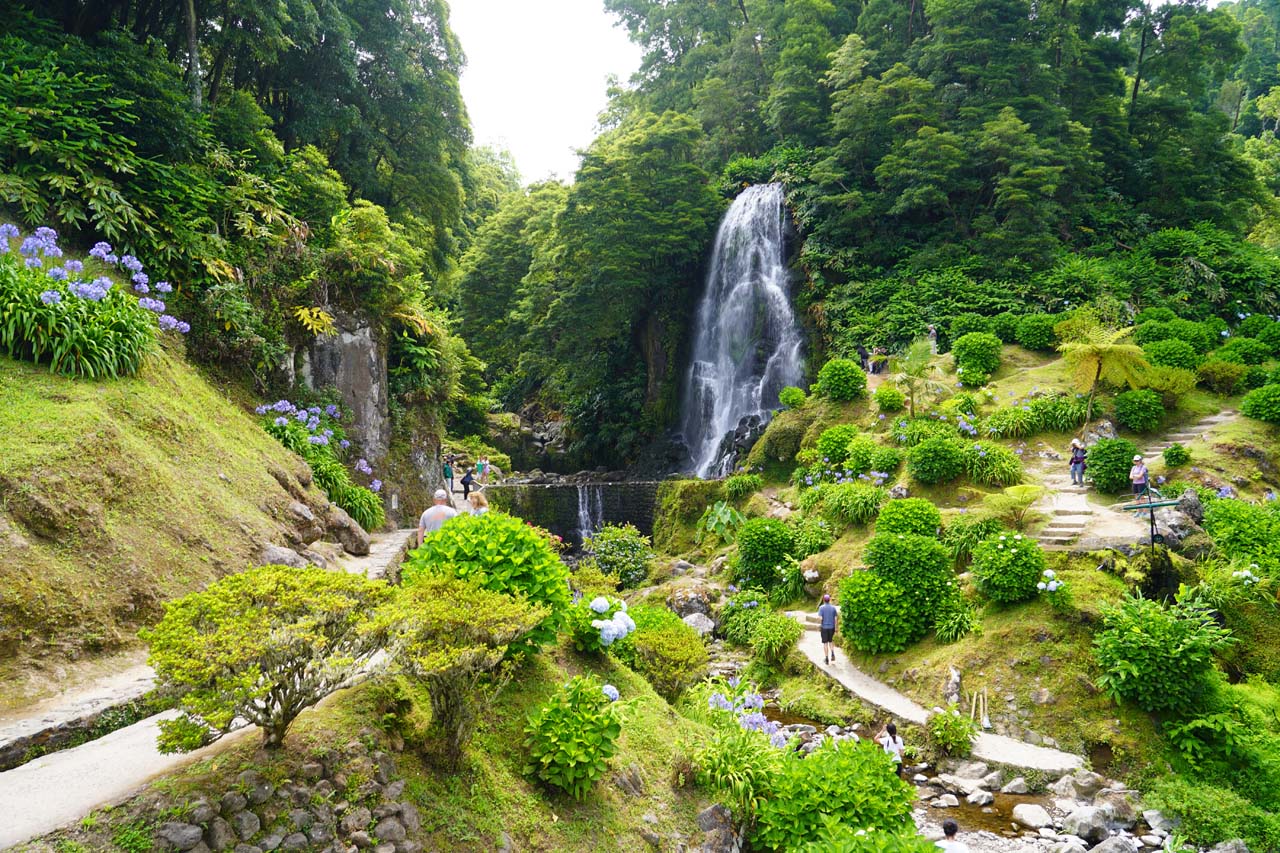
Cascata dos Caldeirões
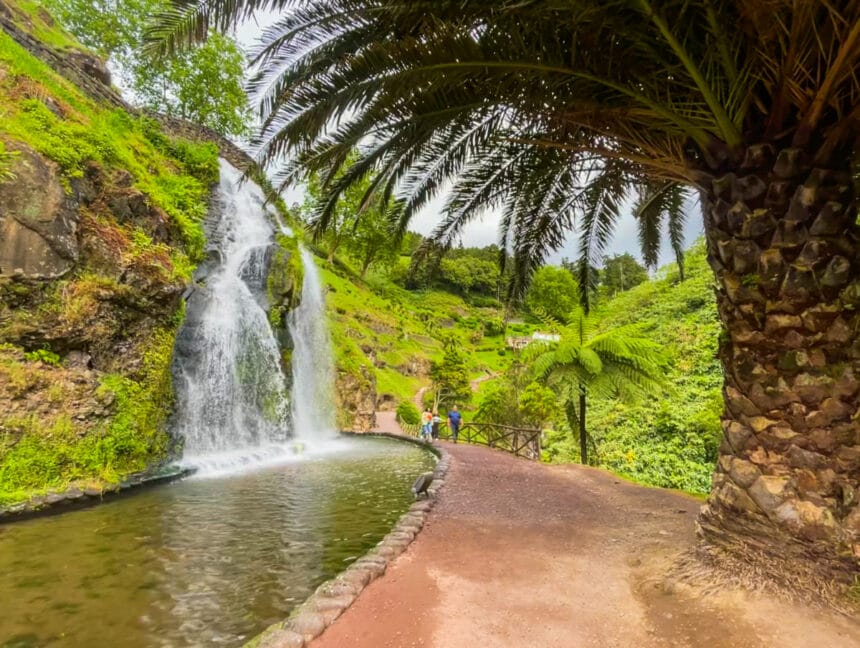
This primary waterfall serves as the iconic backdrop for the park, featuring a vertical drop surrounded by traditional water mills.
View from the wooden bridge for the clearest angle.

The canyoning route through Ribeira dos Caldeirões Natural Park follows a series of cascading waterfalls hidden within a laurel forest canyon on São Miguel's northeast coast. This guide maps the descent sequence, trail entry points, and the technical features that shape the adventure.
Quick answer
Canyoning in Ribeira dos Caldeirões hidden waterfall adventure follows a 2.5-kilometer descent through a forested gorge with four major rappel points ranging from 8 to 18 meters, multiple natural pool jumps, and scrambles over moss-covered basalt. The route requires guided access through certified operators, as independent entry to the technical canyon sections is restricted. Park grounds remain open daily with free admission, though the canyoning trail itself begins from a marked trailhead near the park's upper picnic area.
The caldeirões—natural cauldrons carved by centuries of water erosion—give the park its name, and the canyoning route threads directly through the most dramatic of these formations. Unlike the park's developed walking paths along the main waterfalls, the canyoning trail descends into the canyon's interior, where vertical drops and narrow chutes shape the experience. The descent begins at the upper trailhead, accessed via a dirt path that branches from the park's paved loop near the historic watermill. From there, the route drops into the gorge through a sequence of four primary rappel stations. The first waterfall rappel, an 18-meter vertical descent beside a cascade, sets the technical tone. Two intermediate rappels of 12 and 10 meters follow, each requiring anchor setups on basalt outcrops. The final drop—an 8-meter slide into a deep emerald pool—marks the transition to the lower canyon, where the route alternates between waist-deep wading, rock scrambles, and short swims through interconnected pools. The trail's technical demands stem from the terrain itself. Basalt holds water, and the rock remains slick even during dry weeks. Rope work happens in the spray zone of active waterfalls, and anchor points often sit on ledges draped in ferns and moss. The canyon's microclimate—cool, humid, shaded by laurel and Japanese cedar—keeps conditions consistent year-round, though autumn and winter see higher water flow that intensifies the descent. Guided canyoning expeditions handle all technical equipment and route management. Groups typically spend three to four hours in the canyon, including gear fitting, safety briefings, and the descent itself. The park's infrastructure—paved access roads, restrooms, a small café—serves as the staging area, but once the trail drops below the main waterfall viewpoints, the environment shifts entirely to unmanaged forest and raw water features. The return route follows a steep but non-technical footpath that climbs back to the park's upper picnic zone, completing a loop that begins and ends within the same protected area. The canyoning in Ribeira dos Caldeirões hidden waterfall adventure guide clarifies what the experience requires: physical readiness for cold water immersion, comfort with heights, and the ability to follow technical instructions under wet conditions. The park itself welcomes casual visitors throughout the day, but the canyon route demands specialized preparation and certified supervision.
“The caldeirões—natural cauldrons carved by centuries of water erosion—give the park its name, and the canyoning route threads directly through the most dramatic of these formations.”
This itinerary suits adventurous visitors booking a guided canyoning excursion through the park's waterfall circuit. The full experience typically spans 3–4 hours from arrival to completion.
Meet your certified guide at the park entrance, where you'll receive wetsuit, helmet, harness, and descender. The safety briefing covers rope signals, body positioning, and emergency procedures—plan 20 minutes.
Follow the levada trail upstream through laurel forest to the first rappel station. The 15-minute walk crosses wooden bridges and passes smaller cascades that feed the main waterfall system.
Descend the first waterfall using guided rope technique, with the guide managing anchors and belays. Each rappel takes 5–10 minutes; expect 3–4 descents of increasing height as you progress downstream.
Navigate the signature 18-meter drop behind the main curtain of water, where spray reduces visibility and sound amplifies. This technical section requires controlled breathing and steady footing on moss-covered rock.
Wade and swim through interconnected pools between rappels, using natural slides where the current permits. Water depth varies from waist to overhead depending on recent rainfall.
Hike back along the lower trail to the park facilities, where you'll return equipment and review photos captured by the guide. Allow 15 minutes to change and collect belongings before departure.
Ribeira dos Caldeirões Natural Park is open to visitors daily throughout the week.
Ribeira dos Caldeirões Natural Park is located in the Nordeste municipality on the island of São Miguel. The most direct approach is by car via the regional road network.
EN1-1A to Nordeste, then follow signs to Estrada Regional
Ponta Delgada to Achada, Nordeste
The park is located at Estrada Regional, 9630-024 Achada, Nordeste. Arriving between 09:00 and 17:00 ensures access to visitor services and optimal light for the waterfall trail.
The best arrival window for the Ribeira dos Caldeirões hidden waterfall adventure is 09:00–17:00, which provides optimal natural light for photography and access to visitor services. Arriving within this timeframe ensures safer canyoning conditions and reliable support from on-site facilities.
Mild temperatures 18°C to 24°C
Drier conditions provide more stable water flow for canyoning. High visitor volume requires advance coordination.
Cooler temperatures 15°C to 20°C
Lower crowd levels allow for a quieter experience on the trails. Occasional rain may increase water volume.
—
Arriving at 09:00 minimizes encounters with other groups. This period offers the clearest access to the waterfall trail and canyoning routes.
Verdict: The optimal period for this adventure is weekday mornings during the shoulder months of April or October to balance favorable weather with lower visitor density.
The canyoning route through Ribeira dos Caldeirões Natural Park follows the watercourse, revealing a series of tiered waterfalls and basalt rock formations. Participants encounter technical descents and pools hidden within the dense laurissilva vegetation.
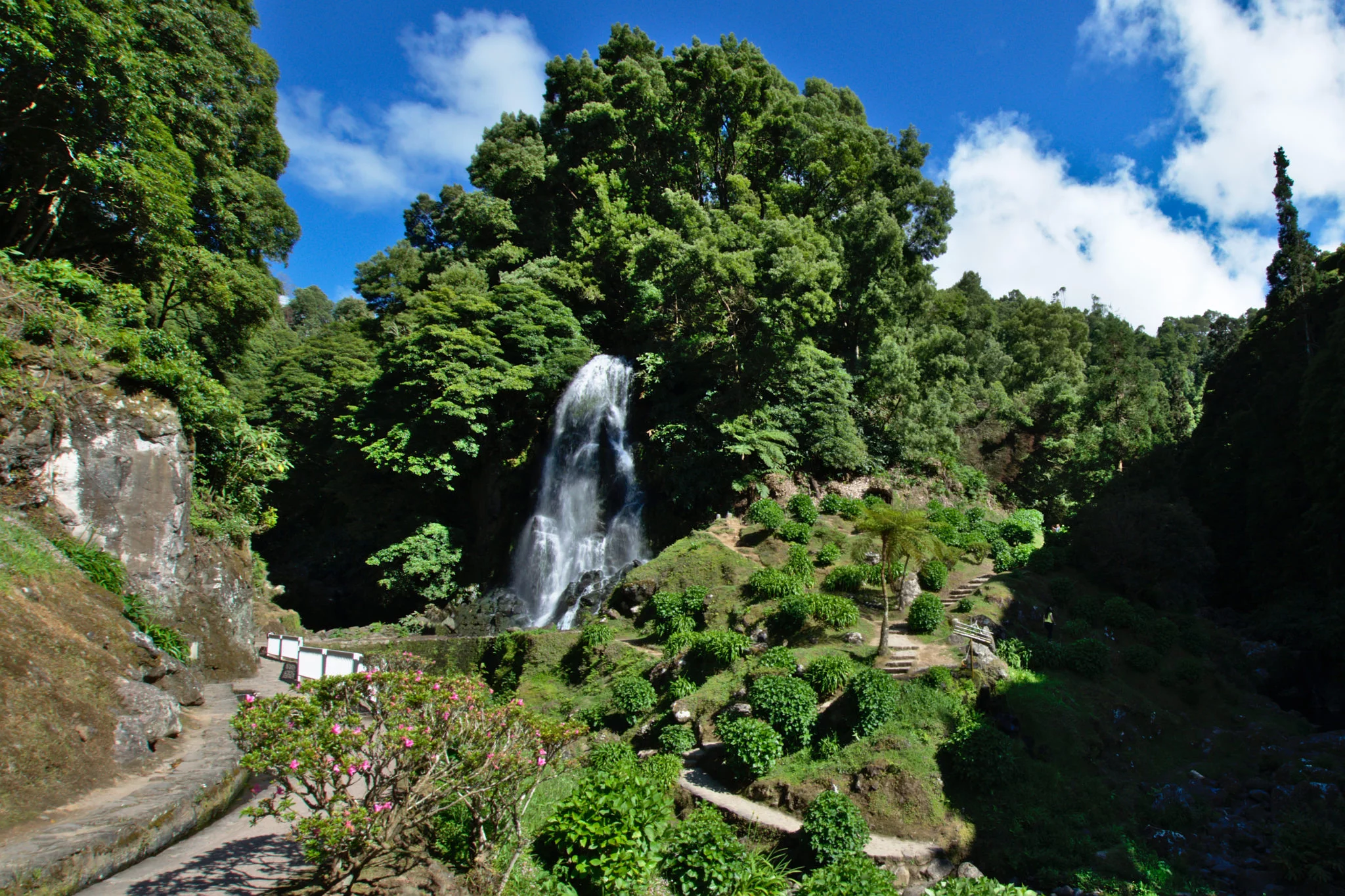
This primary waterfall serves as the iconic backdrop for the park, featuring a vertical drop surrounded by traditional water mills.
View from the wooden bridge for the clearest angle.
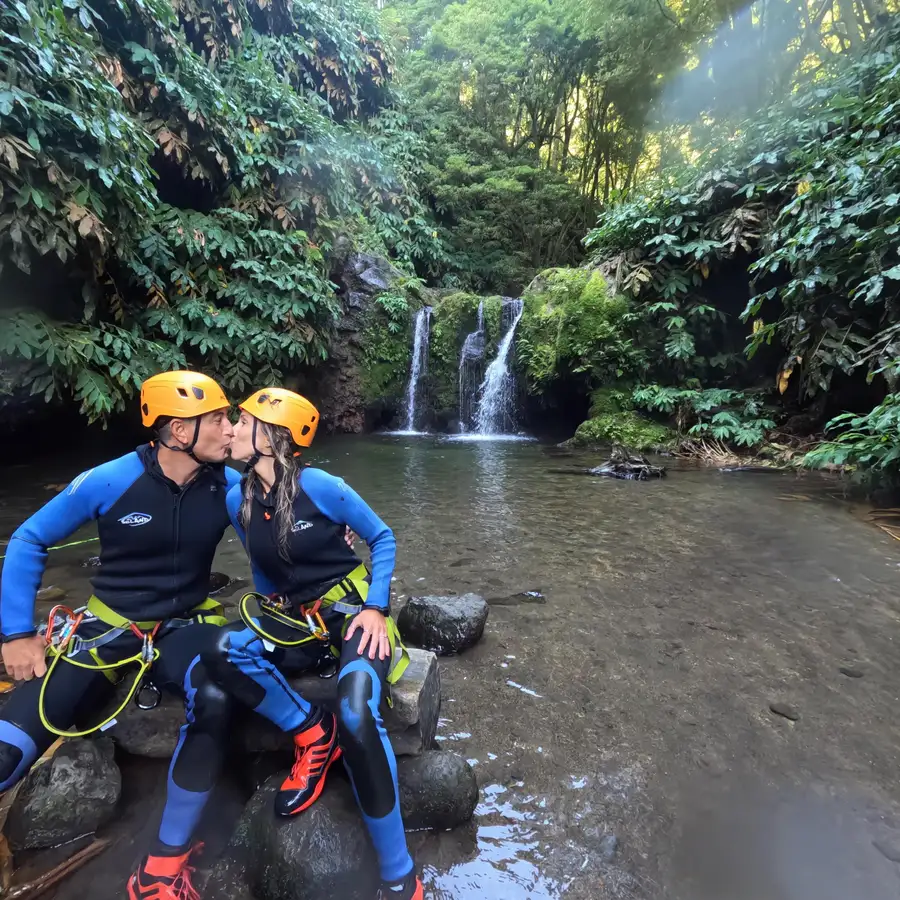
These smaller, secluded falls are located further up the stream and provide the main technical sections for rappelling during the adventure.
Look for the moss-covered basalt edges while descending.
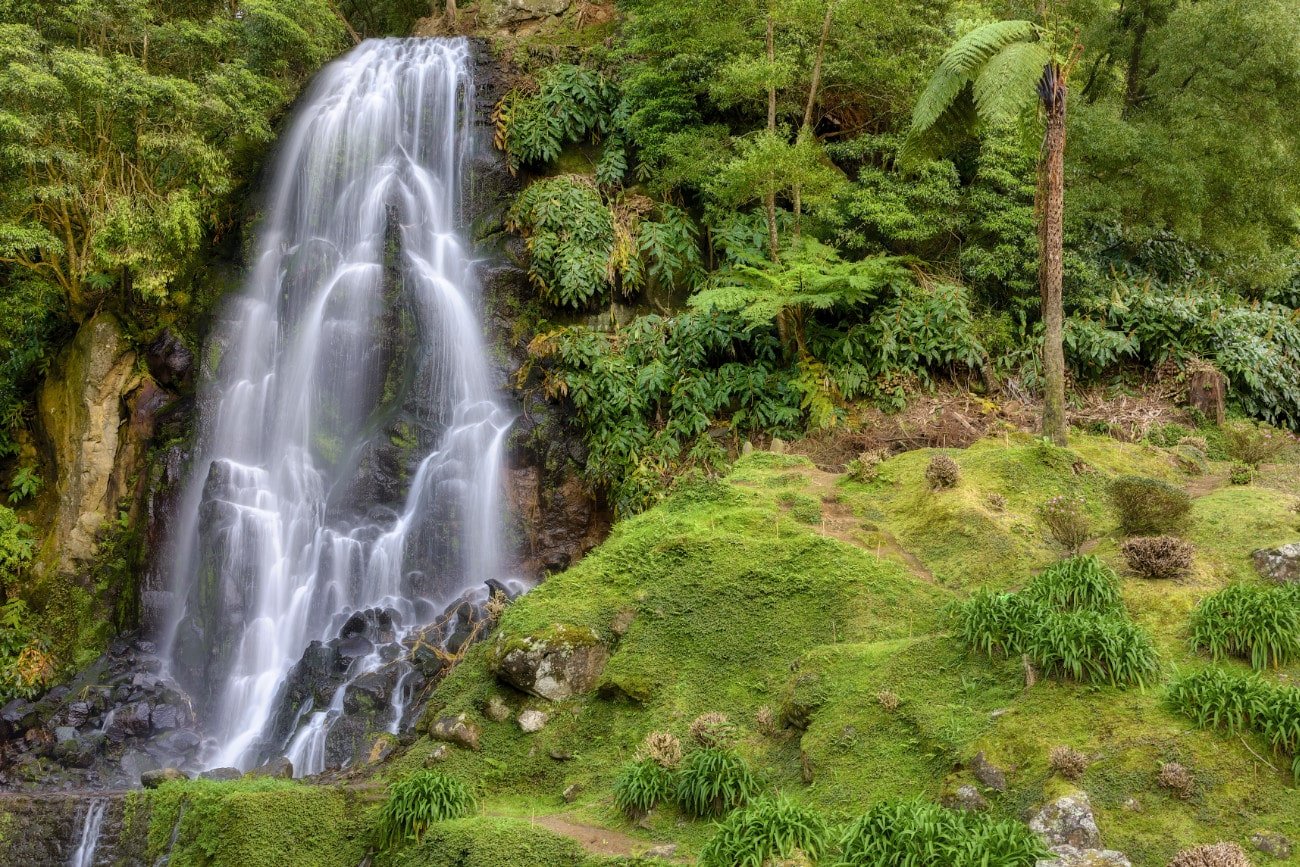
The narrow canyon path is carved through ancient volcanic rock, characterized by dense ferns and endemic laurel trees.
Observe the unique moisture-loving flora at the water's edge.
Natural basins formed by erosion offer transition points between rappels, filled with clear water from the mountain stream.
Stand near the basin rim to observe the depth.
Canyoning in Ribeira dos Caldeirões requires specific safety equipment and physical readiness due to water-based terrain and technical descents.
Everything you need to know about canyoning in ribeira dos caldeirões hidden waterfall adventure
This activity involves traversing the stream and waterfalls within the park using specialized rappelling equipment. Participants engage in a guided canyoning in ribeira dos caldeirões hidden waterfall adventure that navigates the vertical terrain of the Azores.
While this requires physical fitness, many operators offer beginner-friendly versions of this excursion. It is recommended to check with your chosen guide if the specific canyoning in ribeira dos caldeirões hidden waterfall adventure is appropriate for your children.
You will need a wetsuit, helmet, and harness, which are typically provided by professional operators. Having appropriate footwear with good grip is essential for the slippery rocks found in this Azores landmark.
While access to the park itself is free of charge, guided experiences require professional equipment and expertise. Please note that the entrance fee for the public park grounds is 0 EUR, though tour costs vary by provider.
The best arrival window for visiting the park is 09:00–17:00 to ensure access to services. Visiting during these hours provides the most favorable natural light for photography and navigation through the verdant landscape.
Bring a towel, swimwear, and a change of clothes for after your session. A waterproof camera or housing is recommended to capture the moss-covered cliffs and cascading water along the route.